
The Complete Guide to Smoke Damage Restoration: Protecting Your Property and Health After a Fire
Smoke damage can start instantly after a fire, so immediate restoration is vital for your property and health. Begin by evaluating affected areas to identify the extent of damage and types of soot wet, dry, protein, or fuel oil. Use HEPA vacuuming and appropriate cleaning agents for effective soot removal. Odor elimination techniques such as ozone treatments and air scrubbers are essential for a safe environment. Don’t forget to document all damage for insurance claims and guarantee safety precautions are in place during cleanup. The complete restoration process involves thorough strategies that will reinforce your understanding and protect your home.
Introduction
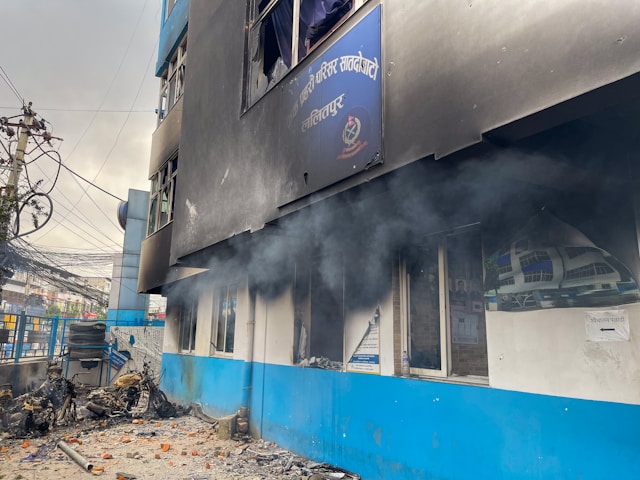
When a fire occurs, it’s important to recognize that smoke damage begins to affect your property almost immediately, highlighting the urgent need for restoration. Smoke consists of tiny particles that can infiltrate various materials, including walls, ceilings, and personal belongings. These microscopic particles not only cause visible staining but also introduce harmful chemical residues that pose health risks if left untreated.
The process of Smoke Damage Restoration involves a series of significant steps designed to mitigate further deterioration. First, professionals conduct a thorough assessment to identify areas affected by soot and smoke. Next, specialized equipment and techniques are employed to remove soot from surfaces and furniture, guaranteeing that contaminants are effectively cleaned. Additionally, odor removal is imperative; lingering smoke smells can affect indoor air quality and your overall comfort.
Air purification is also a crucial component, as it helps restore a safe environment post-fire. By addressing smoke damage promptly, you minimize long-term property issues and enhance the safety of your living space. Engaging experts for smoke damage restoration guarantees that every facet, from toxic residue cleanup to structural repairs, is handled with precision and care, ultimately safeguarding your property and health.
Smoke Damage Assessment: Inspecting affected areas to determine the extent of damage
A thorough smoke damage assessment is vital for determining the extent of the destruction and planning effective restoration. Begin by inspecting the structure, focusing on walls, ceilings, and floors, as these areas may harbor hidden damage. Look for discoloration, warping, or residue buildup that could indicate smoke infiltration. Don’t forget to assess your HVAC system, as it can spread contaminants throughout your property.
Next, evaluate personal belongings and furniture, as porous materials can absorb smoke and odors, requiring specialized smoke damage cleanup. Document the damage with photos and notes to provide a detailed report for your insurance claim. This information is essential for mitigating losses and expediting restoration processes.
As you conduct the assessment, be mindful of health risks associated with smoke residues. Micro-particles can pose significant hazards if inhaled or ingested, making quick action imperative. If you identify extensive damage, it’s wise to enlist professional assistance. Experts have the right tools and expertise for effective smoke damage cleanup, ensuring your property is not only restored but also safe for habitation moving forward.
Soot Identification: Recognizing wet, dry, protein, and fuel oil smoke residues
After evaluating the smoke damage, understanding the types of soot residues present is key to effective restoration. Soot identification is essential for planning the proper soot removal approach. You’ll typically encounter four types of soot residues: wet, dry, protein, and fuel oil.
Wet soot results from low-temperature smoldering fires and is often sticky and black, making it difficult to remove. Dry soot, on the other hand, is light and fluffy, easily dispersing into the air and requiring a different cleaning method. Protein soot comes from burning organic materials and has a greasy feel, often leaving a yellowish tint on surfaces; it’s notorious for lingering odors. Finally, fuel oil soot appears after oil-based products ignite, and it’s characterized by thick residues, often resembling a soot stain.
Each type demands unique techniques for effective soot removal, as their adhesion and composition vary greatly. Recognizing these residues not only assists in the restoration process but also helps protect your health and property from further damage. By swiftly identifying and addressing these soot types, you’ll guarantee a thorough and safe restoration.
Surface Cleaning & Soot Removal: Using HEPA vacuuming, dry sponges, and chemical agents
Effective surface cleaning and soot removal are vital in the smoke damage restoration process, as overlooking these steps can lead to prolonged damage and health risks. Start with HEPA vacuuming to remove airborne soot particles and fine debris. HEPA filters trap allergens and contaminants, ensuring a thorough cleanup. Focus on surfaces where soot settles, such as walls, ceilings, and furniture.
Next, use dry sponges for non-porous surfaces. These sponges are effective in lifting soot without pushing it deeper into materials. Gently wipe surfaces, frequently changing the sponge to avoid spreading soot around.
In cases of heavier soot accumulation, you might need chemical agents. Choose cleaning agents designed specifically for smoke damage and follow manufacturer instructions closely. Apply these agents to affected areas, allowing time for them to break down residues. Always test a small, inconspicuous area first to avoid surface damage.
Lastly, don’t forget that effective surface cleaning is essential for smoke odor removal. Removing soot and cleaning surfaces helps reduce lingering odors, paving the way for effective deodorization strategies later in the restoration process.
Smoke Odor Elimination: Neutralizing odors with ozone, thermal fogging, and air scrubbers
Smoke odor elimination is an essential step in smoke damage restoration, and utilizing methods like ozone treatments, thermal fogging, and air scrubbers can greatly enhance the effectiveness of your efforts. Ozone treatments involve generating ozone gas, which can penetrate walls and fabrics, chemically reacting with odor-causing molecules to neutralize them. However, it’s vital to follow safety guidelines, as high ozone levels can be harmful to humans and pets.
Thermal fogging uses heated fog to introduce a deodorizing agent that reaches hidden smoke particles, effectively neutralizing odors in porous materials. This method is particularly beneficial for areas where smoke has settled deeply, ensuring thorough odor removal without damaging surfaces.
Air scrubbers play a complementary role in smoke damage restoration. These devices filter out airborne contaminants and odors, improving indoor air quality. They work in conjunction with other methods, continuously cleaning the air and capturing residual smoke particles, thereby expediting the overall restoration process.
Air Quality Assessment: Measuring VOCs, airborne particles, and toxic residues
An air quality assessment is paramount in the smoke damage restoration process, as it helps identify hazardous substances lingering in the environment. After a fire, volatile organic compounds (VOCs), fine particulate matter, and toxic residues can notably impact indoor air quality. You’ll want to employ specialized equipment to measure these substances accurately.
First, air sampling techniques can help detect VOCs, which are emitted from burnt materials. Next, using a particulate matter counter allows for the determination of airborne particles that can be harmful when inhaled. Monitoring carbon monoxide and other toxic gases is equally essential; they can pose serious health risks even at low concentrations.
Once samples are collected, you’ll analyze them in a lab for accurate data on contamination levels. This process is critical for deciding the necessary remediation steps. Remember, poor indoor air quality can not only lead to immediate health concerns but can also cause long-term effects on respiratory and overall health.
After identifying the specific contaminants, you’ll be better equipped to take appropriate action and guarantee a safe living environment. Prioritizing air quality assessment is a significant first step in the restoration journey.
Indoor Air Filtration: Deploying HEPA filters and negative air machines to purify air
In the aftermath of a fire, utilizing indoor air filtration systems becomes vital for restoring clean air quality. HEPA (High Efficiency Particulate Air) filters play an important role in smoke damage restoration, as they effectively capture 99.97% of airborne particles, including fine smoke particles and soot. By deploying these filters in HVAC systems and portable air purifiers, you can greatly reduce the level of contaminants in your indoor environment.
Negative air machines are another powerful tool for purifying air. These units create a vacuum effect that filters out airborne pollutants, guaranteeing that cleaner air is circulated back into the space. When setting up negative air machines, make certain they’re strategically placed to create proper airflow and containment, preventing the spread of smoke particles to unaffected areas.
It’s essential to regularly monitor and replace filters during the smoke damage restoration process, as clogged filters can reduce effectiveness. Additionally, confirm that any air ducts are cleaned and inspected to eliminate trapped soot and debris. With these air filtration methods in place, you’ll be taking vital steps to protect your health and enhance the indoor air quality following a fire incident.
Contents Restoration: Cleaning and salvaging furniture, clothing, electronics, and documents
After a fire, salvaging your belongings can feel overwhelming, yet effective contents restoration is fundamental in reclaiming your space and preserving memories. Start by evaluating the damage to your furniture, clothing, electronics, and documents. For clothing and textiles, professional cleaning services can use specialized methods like dry cleaning and ozone treatment to eliminate smoke odors and residues.
When it comes to furniture, it’s important to act quickly to prevent further damage. Employ a restoration expert who can clean upholstery and wood surfaces using appropriate cleaners and techniques to guarantee their longevity. Electronics can be particularly tricky; immediate disconnecting from power sources is essential. Once deemed safe, technicians can carefully clean and restore devices.
Documents may require unique handling, such as freeze-drying to prevent further degradation. A contents restoration professional can assist with this, ensuring the preservation of critical paperwork.
Throughout this process, remember that personal safety is paramount; always wear protective gear and ventilate areas being restored. With thorough contents restoration, you can create a sense of normalcy and begin the healing journey after a fire.
Structural Repairs: Restoring drywall, flooring, ceilings, and paint finishes
Restoring drywall, flooring, ceilings, and paint finishes is vital in the smoke damage restoration process, as these structural components often bear the brunt of exposure to soot and contaminants. After fire damage, it’s important to assess the extent of the damage. Inspect drywall for discoloration, warping, or crumbling—if compromised, it’ll need replacement, as lingering smoke particles can pose health risks.
For flooring, evaluate whether the material can be deep-cleaned or if it needs replacement. Carpets, especially, can trap odors and soot, making full extraction necessary.
Ceilings may require special attention; smoke often leaves stains that can’t be removed without repainting. Use a sealant for smoke-damaged areas before applying fresh paint to guarantee odor containment.
HVAC System Cleaning: Removing smoke residues from ductwork and vents
Smoke residues can infiltrate HVAC systems during a fire, making thorough cleaning necessary for maintaining indoor air quality. After a fire, residual smoke particles can remain trapped in ductwork and vents, creating potential health hazards and unpleasant odors. A detailed HVAC cleaning is an essential part of fire and water damage restoration.
To effectively remove smoke residues, start by turning off the HVAC system to prevent further spread of contaminants. Then, engage a professional restoration service that specializes in smoke damage. They’ll utilize specialized equipment like high-powered vacuums and blowers to clean ductwork and vents meticulously. Pressure washing might also be employed in some cases, using safe cleaning agents that eliminate soot and particles without causing further damage.
In addition, an air scrubber can be beneficial during the cleaning process to remove airborne particles and improve indoor air quality. It’s also wise to replace filters throughout the system after cleaning to guarantee any lingering contaminants are removed. Remember, prioritizing HVAC system cleaning is essential not only for restoring your property but also for protecting your health following a fire.
Toxic Residue Management: Safe handling and removal of harmful chemicals left by fire
Toxic residues left by a fire can pose serious health risks if not handled properly. When tackling toxic residue cleanup, it’s essential to wear proper protective gear, including masks, gloves, and coveralls, to prevent exposure to harmful chemicals. Begin by ventilating the area to mitigate inhalation risks.
Identify the affected materials—carpets, walls, and furnishings may all harbor toxic residues like soot and chemicals that result from burning synthetic materials. Use appropriate cleaning agents that are designed to neutralize these contaminants. Chemical cleaning solutions can effectively break down toxic residues, but it’s vital to follow the manufacturer’s guidelines for use.
For thorough removal, consider hiring certified professionals who specialize in toxic residue cleanup. They possess the expertise in utilizing advanced equipment and techniques to safely eliminate these harmful substances without further compromising the safety of your environment.
Always make sure that you properly dispose of any materials that can’t be cleaned, following local regulations regarding hazardous waste. Prioritizing safe handling and removal of toxic residues not only protects your health but also guarantees your property is restored to a safe, habitable condition.
Emergency Response: Rapid 24/7 restoration to limit further damage
When a fire occurs, every minute counts, and a rapid response can greatly limit further damage to your property. Engaging a professional emergency fire restoration service within the first hours after a fire is critical. These experts are available 24/7 and are equipped to assess the situation immediately. They understand that the longer soot, smoke, and moisture remain, the more extensive the damage can become.
Upon arrival, the restoration team conducts a thorough examination of the affected area, identifying all hazardous materials, including toxic smoke residues that may have penetrated hard-to-reach spaces. They use specialized equipment designed to clean and deodorize your property effectively. This includes air scrubbers that purify the air and industrial-strength vacuums that remove soot particles from surfaces.
Moreover, rapid water extraction is essential to prevent mold growth and structural compromise. The restoration experts will also initiate the drying process to safeguard your belongings and the integrity of your property. By acting quickly, you considerably minimize the risk of permanent damage, restoring not just your home, but also your peace of mind. Effective emergency fire restoration can make the difference between a quick recovery and a lengthy, costly restoration process.
Insurance Claim Support: Documenting damage and assisting with claims processing
Managing the complexities of insurance claims can be overwhelming after experiencing fire damage. To effectively navigate this process, it is crucial to document all visible and hidden damage thoroughly. Start by taking high-resolution photographs of affected areas, ensuring you capture the extent of smoke and soot residue on surfaces, walls, and belongings. These images will serve as important evidence during claims processing.
Additionally, create a detailed inventory of damaged items, including descriptions, approximate values, and any receipts or proof of purchase you may have. This will help substantiate your claim and facilitate the insurance claims assistance process. Don’t forget to keep a record of all communications with your insurer, including dates, times, and the names of representatives you speak with.
Consider enlisting professional smoke damage restoration services, as they can provide assessments and detailed reports that support your claim. Their expertise not only aids in restoration but also adds credibility to your documentation. By systematically organizing and presenting your evidence, you can greatly increase your chances of a successful insurance claim, ensuring you receive the compensation needed to restore your property efficiently.
Health & Safety Precautions: Protecting occupants from smoke exposure during restoration
Guaranteeing safety during smoke damage restoration involves implementing significant health precautions to protect occupants from harmful smoke exposure. First, it’s imperative to evacuate all individuals, especially those with respiratory conditions, prior to beginning the restoration process. This minimizes exposure to lingering smoke particles and toxins.
Personal protective equipment (PPE) is crucial. Confirm that restoration personnel wear respirators, gloves, and goggles to shield themselves from hazardous materials. Additionally, using air purifiers equipped with HEPA filters can help capture microscopic smoke particles, enhancing air quality during the restoration.
Proper ventilation is another critical step. Open windows and doors to create airflow, reducing the concentration of indoor pollutants. Seal off unaffected areas to prevent the spread of smoke residues and contaminants.
Lastly, conducting a thorough assessment before starting the smoke damage restoration is significant. This includes identifying areas with substantial smoke damage and prioritizing those for cleaning and deodorizing. Regularly monitoring air quality throughout the process can help keep everyone safe, guaranteeing that the restoration not only revitalizes your property but also protects the health of all occupants involved.
Conclusion
Although smoke damage can feel overwhelming, a thorough restoration process is fundamental to protect your health and fully recover your property. After a fire, it’s important to address both visible and hidden smoke damage, as soot particles can infiltrate various surfaces and materials, posing health risks. The smoke damage restoration process involves several essential steps, including thorough smoke assessment to identify affected areas, effective soot removal using specialized techniques, and the elimination of lingering odors through industrial-grade deodorization methods.
Furthermore, air purification systems should be employed to guarantee the indoor air is safe to breathe, removing any harmful contaminants. Toxic residue cleanup is crucial in preventing long-term damage and health issues, while contents restoration helps salvage valuables affected by smoke. Structural repairs are also necessary to restore the integrity and safety of your property.
Engaging professional restoration services guarantees that all aspects of smoke damage restoration are handled efficiently. They also provide guidance in managing insurance claims, helping you recover financially. Remember, acting quickly and completely can make all the difference in returning your home or business to a safe, habitable state.