
Emergency Water Damage Restoration by Alladin Restoration Services: Rapid Response and Recovery Methods
Water damage is one of the most common and destructive problems affecting residential and commercial properties. Whether caused by burst pipes, appliance failures, roof leaks, plumbing issues, or severe storms, water can spread quickly throughout a building, damaging flooring, walls, ceilings, furniture, and personal belongings within minutes. If left untreated, excess moisture can also create conditions for mold growth and structural deterioration, significantly increasing restoration costs and recovery time.
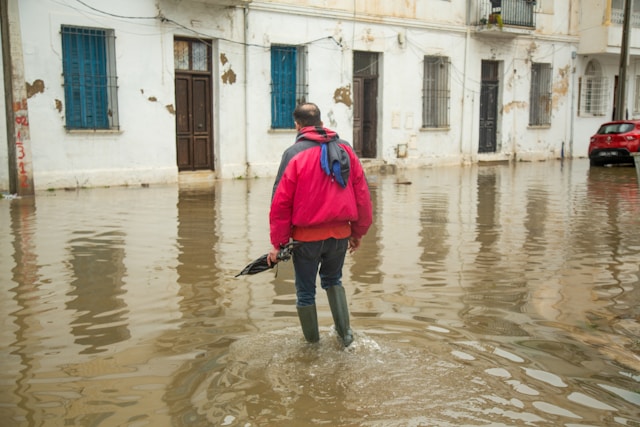
Emergency Water Damage Restoration by Alladin Restoration Services: Rapid Response and Recovery Methods highlights the importance of immediate action when water damage occurs. As a company specializing in 24/7 emergency restoration, Alladin Restoration Services focuses on rapid water extraction, professional drying, moisture detection, and structural recovery to help minimize property damage and restore homes and businesses efficiently. By following industry-recognized restoration practices and using specialized equipment, professional restoration teams can significantly reduce long-term damage while helping property owners return to normal as quickly as possible.
This article explains why emergency response matters, outlines the professional water restoration process, and explores how timely intervention protects both property and occupant health.
Understanding the Impact of Water Damage
Water damage extends far beyond visible puddles or wet carpets. Water can travel behind walls, beneath flooring, inside insulation, and throughout structural materials where it may remain unnoticed for days.
Common sources of water damage include:
- Burst or frozen pipes
- Plumbing leaks
- Overflowing sinks or toilets
- Water heater failures
- Appliance malfunctions
- Roof leaks
- Storm flooding
- Foundation seepage
- HVAC system leaks
Regardless of the source, prompt action is essential because damage continues to worsen the longer moisture remains inside a building.
Why Emergency Response Time Matters
The first few hours following a water loss are often the most critical.
Quick response helps limit the amount of water absorbed into building materials and personal belongings.
Rapid mitigation can help:
- Reduce structural damage
- Protect flooring
- Preserve drywall
- Save furniture
- Minimize business interruption
- Reduce restoration costs
- Lower the likelihood of mold growth
Emergency restoration companies prioritize fast arrival because every hour can make a significant difference in the overall recovery process.
What Happens During the First 24 Hours?
Water damage progresses quickly.
Within the first day, moisture can begin affecting multiple building components.
Potential consequences include:
- Swelling wood materials
- Carpet saturation
- Drywall deterioration
- Paint damage
- Electrical hazards
- Increased humidity
Professional restoration teams begin mitigation immediately to interrupt this progression before more extensive damage develops.
Initial Property Assessment
Every successful restoration project begins with a thorough inspection.
Technicians evaluate:
- Source of the water
- Extent of the damage
- Safety hazards
- Moisture migration
- Materials affected
- Potential contamination
This assessment allows restoration professionals to develop an efficient recovery plan tailored to the property’s specific needs.
Accurate inspections also help determine which materials can be restored and which require replacement.
Stopping the Water Source
Before restoration begins, technicians identify and stop the source of water whenever possible.
Examples include:
- Shutting off broken plumbing
- Repairing leaking fixtures
- Securing damaged roofing
- Addressing appliance failures
Stopping additional water intrusion prevents further damage while allowing restoration work to proceed safely.
In cases involving natural flooding, additional protective measures may also be necessary before extraction begins.
Professional Water Extraction
Removing standing water is one of the most important stages of restoration.
Professional-grade extraction equipment removes large volumes of water far more efficiently than household tools.
Water extraction equipment may include:
- Truck-mounted extraction units
- High-capacity pumps
- Industrial wet vacuums
- Portable extraction systems
Rapid removal helps reduce the amount of moisture absorbed into building materials while shortening overall drying time.
Moisture Detection Technology
Visible water often represents only part of the problem.
Moisture frequently remains hidden behind walls, beneath flooring, or inside structural components.
Professional restoration teams use specialized tools such as:
- Moisture meters
- Thermal imaging cameras
- Hygrometers
- Infrared inspection equipment
These technologies help locate hidden moisture that might otherwise remain undetected.
Finding concealed moisture early helps prevent future structural problems and mold development.
Structural Drying
Once standing water has been removed, the drying process begins.
Professional drying focuses on reducing moisture within building materials to appropriate levels.
Industrial drying equipment commonly includes:
- High-velocity air movers
- Commercial dehumidifiers
- Drying systems for wall cavities
- Specialized floor drying equipment
Rather than simply drying visible surfaces, technicians work to remove moisture from throughout the building structure.
This stage often requires continuous monitoring over several days.
Monitoring the Drying Process
Drying is not a one-time procedure.
Technicians routinely monitor:
- Moisture content
- Relative humidity
- Airflow
- Temperature
- Drying progress
Equipment adjustments are made as conditions improve to ensure drying remains effective and efficient.
Careful monitoring helps prevent both under-drying and unnecessary extended equipment use.
Sanitizing and Cleaning
Water damage frequently leaves behind contaminants, odors, and residue.
Cleaning procedures vary depending on the type of water involved.
Professional restoration may include:
- Surface cleaning
- Antimicrobial treatments
- Odor removal
- Air purification
- Disinfection when appropriate
These services help restore safe indoor conditions while improving occupant comfort.
Understanding Water Categories
Not every water damage incident presents the same level of contamination.
Restoration professionals generally classify water into different categories based on potential health risks.
Examples include:
Clean Water
Water originating from supply lines or broken plumbing before contamination occurs.
Gray Water
Water that may contain contaminants from appliances, sinks, or similar sources.
Black Water
Highly contaminated water that may result from sewage backups or floodwaters and requires specialized handling procedures.
Correctly identifying the water category determines the appropriate restoration methods and safety precautions.
Preventing Mold Growth
One of the greatest concerns following water damage is mold.
Mold can begin developing within a relatively short period when moisture remains inside a building.
Prompt restoration helps reduce this risk by:
- Removing standing water
- Drying structural materials
- Controlling indoor humidity
- Eliminating hidden moisture
- Applying antimicrobial treatments when appropriate
Early intervention significantly lowers the likelihood of mold colonization.
Protecting Structural Integrity
Water affects many building materials differently.
Prolonged exposure can weaken:
- Drywall
- Wood framing
- Subflooring
- Insulation
- Ceiling materials
- Structural supports
Professional drying helps preserve these components whenever possible.
Addressing moisture early often reduces the need for extensive reconstruction later.
Restoring Personal Belongings
Water damage frequently affects valuable personal property.
Depending on the extent of damage, restoration professionals may help recover:
- Furniture
- Electronics
- Documents
- Clothing
- Photographs
- Decorative items
Specialized cleaning and drying techniques may improve the likelihood of saving items that might otherwise be discarded.
Each item is evaluated individually to determine the most appropriate restoration approach.
Why Professional Equipment Matters
Household fans and portable dehumidifiers are rarely sufficient for significant water losses.
Professional restoration equipment offers advantages including:
- Faster drying
- Greater moisture removal
- Improved airflow
- Better humidity control
- More accurate monitoring
Using commercial-grade equipment helps reduce restoration time while improving overall effectiveness.
Industry Standards Guide Restoration
Professional restoration companies follow established industry standards that promote consistent, safe, and effective recovery practices.
Organizations such as the Institute of Inspection, Cleaning and Restoration Certification (IICRC) provide guidance on:
- Water extraction procedures
- Structural drying
- Moisture measurement
- Safety practices
- Equipment use
Following recognized standards helps ensure restoration work is performed using proven methods.
Why Property Owners Should Avoid Delays
Some property owners attempt to postpone restoration after discovering water damage.
Unfortunately, delays often increase both damage and repair costs.
Waiting may result in:
- Additional structural deterioration
- Mold growth
- Material replacement
- Stronger odors
- Greater restoration expenses
Scheduling professional mitigation promptly often limits these complications while preserving more of the original building materials.
Choosing a Qualified Water Damage Restoration Company
Selecting an experienced restoration provider is an important part of the recovery process.
Property owners should consider factors such as:
- 24/7 emergency availability
- Experience with residential and commercial properties
- Professional restoration equipment
- Trained technicians
- Clear communication
- Comprehensive restoration services
- Commitment to recognized industry practices
A qualified restoration company can guide property owners through every stage of recovery while helping reduce stress during an already difficult situation.
Why Rapid Response Makes a Difference
Fast action is one of the most effective ways to reduce water damage.
Emergency restoration professionals help minimize property loss by arriving quickly, removing standing water, drying affected materials, and monitoring the recovery process until appropriate moisture levels have been achieved.
This rapid response not only protects the building itself but also helps preserve indoor air quality, reduce repair costs, and shorten the time required to return the property to normal use.
Conclusion
Emergency Water Damage Restoration by Alladin Restoration Services: Rapid Response and Recovery Methods demonstrates why immediate professional intervention is critical after flooding, plumbing failures, or other water-related emergencies. Water damage can escalate rapidly, affecting structural materials, personal belongings, and indoor environmental quality if left untreated. Prompt response, professional water extraction, advanced moisture detection, structural drying, and thorough cleaning all play essential roles in limiting damage and preventing secondary issues such as mold growth.
By combining 24/7 emergency availability with specialized restoration equipment and industry-recognized practices, Alladin Restoration Services helps homeowners and businesses recover from unexpected water losses as efficiently as possible. Whether addressing a minor plumbing leak or a large-scale flooding event, timely restoration protects property, supports long-term structural integrity, and helps occupants safely return to their homes or workplaces with confidence