Disinfection and Sanitation After Disaster: Protecting Your Home and Health
Disasters whether natural or man-made can strike without warning. From floods and fires to sewage backups and mold outbreaks, the aftermath of a disaster can leave your home vulnerable not only to structural damage but also to serious health risks. One of the most critical steps in recovering from such events is proper disinfection and sanitation. Proper cleaning ensures that harmful bacteria, viruses, and mold spores are removed, protecting both your family and the integrity of your home.
Companies like Alladin Restoration Services, Inc. in California specialize in professional disinfection and sanitation services that restore safety, prevent secondary damage, and help homeowners regain peace of mind. In this article, we will explore the importance of post-disaster sanitation, methods for effective cleaning, and how professional services can make a critical difference.
Why Disinfection and Sanitation Are Crucial
After a disaster, your home can harbor a variety of contaminants:
- Bacteria and Viruses: Floodwaters and sewage backups often contain harmful microorganisms that can cause serious illnesses.
- Mold and Mildew: Water intrusion creates ideal conditions for mold growth, which can trigger allergies and respiratory issues.
- Chemical Residues: Fires, floods, or industrial accidents may leave behind residues that are toxic if inhaled or ingested.
- Debris and Contaminants: Broken building materials, soot, and dirt may carry pathogens or irritants.
Without proper disinfection, even minor exposure can lead to long-term health problems. Children, the elderly, and individuals with weakened immune systems are especially at risk.
The Risks of Delayed Sanitation
Delaying disinfection after a disaster can worsen both property and health hazards:
- Rapid Mold Growth: Mold can begin growing within 24–48 hours of water exposure.
- Secondary Damage: Bacteria and fungi can compromise structural materials like drywall, flooring, and insulation.
- Persistent Odors: Smoke, sewage, and chemical residues create unpleasant, lingering smells.
- Increased Repair Costs: The longer contamination persists, the more costly it becomes to restore your property.
Prompt sanitation and professional cleaning can prevent these issues and reduce overall recovery time.
Key Steps in Effective Disinfection
Proper sanitation involves a systematic approach. Professional restorers use a combination of specialized techniques, tools, and disinfectants to ensure thorough cleaning.
Step 1: Assessment
Before any cleaning begins, a comprehensive assessment is performed to determine:
- The type and extent of contamination
- Areas most at risk for mold or bacterial growth
- Structural vulnerabilities that require repair
Step 2: Removal of Damaged Materials
Certain items may be beyond repair and need to be safely disposed of, including:
- Waterlogged carpets and rugs
- Saturated insulation or drywall
- Damaged furniture and personal items
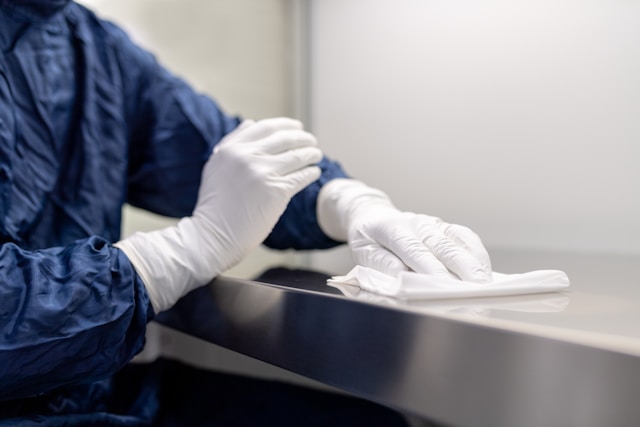
Step 3: Cleaning and Sanitizing
Using professional-grade disinfectants and equipment, surfaces are cleaned and sanitized. Key elements include:
- High-touch areas: Door handles, countertops, and switches
- Flooring and walls: Especially in flood-affected areas
- HVAC systems: Air ducts can spread contaminants if not sanitized
Step 4: Drying and Dehumidification
Moisture control is essential to prevent mold and mildew. Professionals use:
- Industrial dehumidifiers
- Air movers and fans
- Moisture meters to ensure complete drying
Step 5: Verification
After cleaning, technicians verify sanitation through inspection and testing, ensuring the environment is safe for occupancy.
Methods of Disinfection
Several methods are used to disinfect homes after a disaster:
- Chemical Disinfectants: Chlorine-based or quaternary ammonium compounds to eliminate bacteria and viruses.
- Fogging and Misting: Evenly distributes disinfectants in large or hard-to-reach areas.
- HEPA Filtration: Removes airborne particles and contaminants from indoor air.
- Ultraviolet (UV) Light Treatment: UV-C light can neutralize bacteria, viruses, and mold spores.
Each method has advantages depending on the type of contamination, and professionals often combine techniques for maximum effectiveness.
Table: Common Contaminants and Recommended Sanitation Methods
| Contaminant Type | Health Risk | Recommended Sanitation Method |
|---|---|---|
| Sewage and Floodwater | Bacterial infections, Hepatitis | Chemical disinfectants, removal of saturated materials |
| Mold and Mildew | Respiratory issues, Allergies | HEPA vacuuming, antifungal treatments, UV light |
| Smoke and Soot | Lung irritation, Toxic exposure | Dry cleaning surfaces, chemical neutralizers |
| Chemical Residues | Poisoning, Skin/eye irritation | Protective gear, chemical neutralization, ventilation |
| Dust and Debris | Asthma, Respiratory irritation | HEPA filtration, manual removal, surface cleaning |
This table summarizes the types of hazards homeowners may encounter after disasters and the most effective cleaning approaches.
DIY vs Professional Sanitation
While some minor cleaning can be done by homeowners, professional restoration is often essential in serious disaster scenarios.
DIY Limitations:
- Incomplete disinfection may leave pathogens behind
- Lack of access to industrial-grade equipment
- Risk of injury or exposure to hazardous materials
Professional Advantages:
- Immediate response reduces secondary damage
- Trained technicians use safe and effective disinfectants
- Large-scale drying and dehumidification prevents mold
- Proper handling of hazardous materials
Additional Health Precautions
Even after professional sanitation, residents should consider:
- Ventilation: Open windows to circulate fresh air.
- Protective Gear: Masks and gloves when handling damaged items.
- Air Quality Monitoring: Check for lingering mold or chemical odors.
Health and safety remain the top priority during recovery.
Content Restoration
Beyond structural sanitation, contents restoration is often a cost-effective solution. Many items damaged by water, smoke, or fire can be restored to pre-disaster condition.
Benefits of Content Restoration:
- Reduces replacement costs
- Preserves sentimental or valuable items
- Professional cleaning ensures safety and functionality
Restored contents are often stored in secure, climate-controlled facilities until your home is safe to re-enter.
Preventive Measures for the Future
Once your home is restored, taking preventive steps can minimize future damage:
- Install water sensors and alarms
- Maintain gutters and drainage systems
- Keep fire extinguishers and smoke detectors up-to-date
- Regularly inspect roofs, plumbing, and HVAC systems
Proactive planning complements professional sanitation efforts and ensures long-term home safety.
Conclusion
Disasters can strike anytime, but proper disinfection and sanitation significantly reduce health risks and property damage. From floods and sewage backups to smoke and mold, the steps outlined assessment, removal, cleaning, drying, and verification ensure your home is safe for your family.
Professional restoration services, such as those provided by Alladin Restoration Services, Inc., bring expertise, equipment, and techniques that go beyond basic cleaning. Their prompt response and comprehensive approach restore both property and peace of mind, making recovery faster and more effective.
By understanding the importance of sanitation, employing effective disinfection methods, and taking preventive measures, homeowners can protect their homes and health after any disaster. Investing in professional post-disaster sanitation is not just a matter of cleanliness—it’s a critical step in safeguarding your family and your property.