
Disinfection, Mold Removal, and Sanitization Services: Protecting Indoor Air Quality with Alladin Restoration
Indoor air quality plays a critical role in maintaining a healthy and comfortable living environment. Following water damage, flooding, sewage backups, fire suppression efforts, or other contamination events, a property’s indoor environment can become compromised by excess moisture, mold growth, bacteria, odors, and airborne particles. While visible damage often receives immediate attention, hidden contaminants and poor indoor air quality may continue affecting occupants long after the initial disaster if proper restoration is not completed.
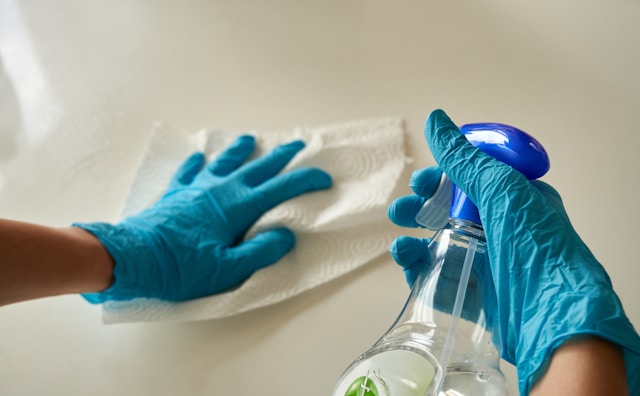
Disinfection, Mold Removal, and Sanitization Services: Protecting Indoor Air Quality with Alladin Restoration explores how professional restoration services help create cleaner, healthier indoor environments after water damage and contamination. Alladin Restoration Services provides comprehensive disinfection, sanitization, and mold remediation solutions designed to remove contaminants, control moisture, improve indoor air quality, and restore properties to safe, livable conditions. Through specialized equipment, proven restoration techniques, and industry-recognized practices, professional remediation helps reduce health risks while protecting both buildings and their occupants.
This article examines the importance of indoor air quality, explains how mold develops, and highlights why professional cleaning and remediation are essential after property damage.
Why Indoor Air Quality Matters
People spend a significant portion of their time indoors, making indoor environmental quality an important factor in overall comfort and well-being.
Indoor air quality can be affected by numerous factors, including:
- Excess moisture
- Mold growth
- Dust
- Smoke residue
- Airborne particles
- Biological contaminants
- Poor ventilation
Following property damage, these issues often become more severe unless they are addressed through appropriate restoration procedures.
Professional remediation focuses not only on visible cleaning but also on improving the overall indoor environment.
How Water Damage Affects Indoor Environments
Water intrusion is one of the leading causes of indoor environmental problems.
Moisture may enter a building through:
- Burst pipes
- Roof leaks
- Appliance failures
- Storm flooding
- Plumbing leaks
- Sewage backups
Even after standing water has been removed, moisture trapped inside walls, flooring, insulation, and structural materials can create favorable conditions for mold growth and other contamination.
Prompt drying and sanitation help reduce these risks before additional damage occurs.
Understanding Mold Growth
Mold is a naturally occurring fungus that exists in many environments. Indoors, however, uncontrolled mold growth can damage building materials and affect indoor environmental quality.
Mold typically develops when several conditions are present, including:
- Moisture
- Organic materials
- Suitable temperatures
- Time
Common locations where mold may develop include:
- Behind drywall
- Beneath flooring
- Inside insulation
- Around plumbing leaks
- Near windows
- Inside crawl spaces
- Within HVAC systems
Because mold often grows in concealed areas, professional inspection is frequently necessary following water damage.
Why Mold Develops After Water Damage
Moisture is the primary factor that allows mold to grow indoors.
When water remains inside building materials for extended periods, mold may begin colonizing affected areas.
Situations that increase mold risk include:
- Delayed water extraction
- Incomplete structural drying
- Hidden plumbing leaks
- Poor ventilation
- High indoor humidity
Addressing moisture quickly significantly reduces the likelihood of mold development.
This is why water damage restoration and mold prevention are closely connected.
Common Signs of Mold Problems
Mold is not always immediately visible.
Property owners may notice signs such as:
- Musty odors
- Visible discoloration on walls or ceilings
- Water stains
- Peeling paint
- Persistent dampness
- Condensation around windows
These indicators may suggest underlying moisture issues that require professional evaluation.
Since some mold growth occurs behind finished surfaces, visible signs represent only part of the potential problem.
The Importance of Professional Mold Inspection
Professional mold remediation begins with a detailed assessment of the affected property.
Technicians evaluate:
- Moisture sources
- Visible mold growth
- Hidden moisture
- Extent of contamination
- Building materials affected
- Indoor environmental conditions
Moisture detection tools, thermal imaging, and visual inspections help identify areas requiring remediation.
An accurate assessment ensures that remediation addresses both the mold and the conditions allowing it to grow.
Controlling Moisture Before Cleanup
Effective mold remediation begins with correcting the underlying moisture problem.
Simply cleaning visible mold without addressing water intrusion increases the likelihood that mold will return.
Moisture control may include:
- Plumbing repairs
- Roof repairs
- Water extraction
- Structural drying
- Humidity reduction
- Improved ventilation
Eliminating the moisture source creates conditions that discourage future mold growth.
Professional Mold Removal
Mold remediation involves much more than wiping visible surfaces.
Professional remediation focuses on safely removing mold-affected materials when necessary while minimizing the spread of spores.
Depending on the situation, remediation may involve:
- Controlled containment
- Removal of damaged materials
- HEPA vacuuming
- Surface cleaning
- Moisture control
- Air filtration
Each project is tailored to the extent of contamination and the materials involved.
Containment Helps Prevent Cross-Contamination
During mold remediation, preventing spores from spreading to unaffected areas is a priority.
Professional restoration teams establish controlled work areas using containment methods that help isolate affected spaces.
Containment practices may include:
- Temporary barriers
- Controlled work zones
- Restricted access
- Air management strategies
These precautions help reduce the movement of airborne particles while remediation is underway.
HEPA Filtration and Air Cleaning
Indoor air quality often improves through the use of professional air-cleaning equipment.
High-Efficiency Particulate Air (HEPA) filtration systems are commonly used during remediation to capture fine airborne particles.
Depending on project needs, restoration professionals may use:
- HEPA air scrubbers
- HEPA vacuums
- Air filtration devices
- Controlled airflow systems
These tools help reduce airborne contaminants while supporting cleaner indoor conditions.
The Role of Disinfection
Disinfection is an important component of many restoration projects, particularly after water damage involving contaminated sources or biohazard events.
Professional disinfection focuses on treating affected surfaces using products appropriate for the situation and according to manufacturer instructions.
Disinfection may be recommended after:
- Sewage backups
- Biohazard incidents
- Certain flood events
- Water damage involving contaminated water
The objective is to reduce microbial contamination and help restore a healthier indoor environment.
Sanitization Supports Property Recovery
Sanitization complements cleaning by reducing contaminants that may remain after debris removal.
Professional sanitization procedures may include:
- Surface cleaning
- Targeted antimicrobial treatments
- Deodorization
- Air quality improvement measures
These services help create cleaner environments while supporting occupant comfort during the recovery process.
Why Indoor Air Quality Matters After Disaster
Property damage often introduces contaminants that extend beyond visible surfaces.
Smoke particles, mold spores, dust, moisture, and biological contaminants may all affect indoor air quality if left untreated.
Professional restoration addresses these issues by focusing on:
- Moisture removal
- Air filtration
- Cleaning
- Mold remediation
- Odor reduction
- Ventilation improvements when appropriate
Improving indoor air quality supports the property’s overall recovery and helps prepare it for safe occupancy.
Odor Removal and Environmental Comfort
Lingering odors frequently remain after water damage, mold growth, or contamination.
Rather than masking odors, professional restoration seeks to remove or address their underlying causes.
Depending on project needs, odor control strategies may include:
- Cleaning contaminated materials
- Removing unsalvageable materials
- Air filtration
- Controlled deodorization methods
Reducing odor contributes to a more comfortable indoor environment while indicating that contamination has been properly addressed.
Professional vs. DIY Sanitization
Property owners may be tempted to address contamination using household cleaning products alone.
While routine cleaning can be appropriate for minor situations, significant water damage or mold contamination often requires professional expertise.
Professional remediation offers several advantages:
- Comprehensive inspections
- Moisture detection equipment
- Commercial-grade drying systems
- Specialized cleaning products
- HEPA filtration
- Safe containment procedures
- Knowledge of restoration standards
DIY cleaning may not identify hidden moisture or concealed mold growth, increasing the risk of recurring problems.
Professional remediation focuses on addressing the underlying causes rather than only treating visible symptoms.
Preventing Future Mold Growth
Long-term mold prevention depends on controlling moisture within the property.
Helpful strategies include:
- Repair plumbing leaks promptly
- Maintain roofing systems
- Ensure proper drainage around the property
- Improve ventilation in moisture-prone areas
- Monitor indoor humidity levels
- Address water damage immediately
Routine maintenance combined with prompt professional restoration after water damage significantly reduces the likelihood of future mold problems.
Supporting Long-Term Property Protection
Professional remediation not only improves current indoor conditions but also helps protect the long-term value of the property.
Effective restoration can help:
- Preserve structural materials
- Reduce future repair costs
- Minimize recurring moisture issues
- Maintain healthier indoor environments
- Improve occupant confidence
Addressing contamination early often prevents more extensive restoration work later.
Choosing a Professional Restoration Company
Selecting an experienced restoration provider is an important part of successful recovery.
Property owners should consider factors such as:
- Experience with mold remediation
- Water damage restoration expertise
- Emergency response availability
- Professional drying equipment
- Air filtration capabilities
- Comprehensive cleaning services
- Commitment to recognized restoration practices
An experienced restoration company can evaluate the situation, develop an appropriate remediation plan, and guide property owners throughout the recovery process.
Why Comprehensive Restoration Matters
Mold removal, disinfection, and sanitization work best as part of a complete restoration strategy.
Rather than focusing on one issue in isolation, comprehensive restoration addresses:
- Moisture sources
- Structural drying
- Mold remediation
- Air quality improvement
- Cleaning and sanitization
- Odor control
This integrated approach supports more effective long-term recovery while helping reduce the likelihood of recurring contamination.
Conclusion
Disinfection, Mold Removal, and Sanitization Services: Protecting Indoor Air Quality with Alladin Restoration demonstrates the importance of comprehensive restoration following water damage, contamination, and other property emergencies. Excess moisture, mold growth, biological contaminants, and poor indoor air quality can continue affecting a property long after visible damage has been addressed if proper remediation is not completed.
Through professional inspection, moisture control, mold remediation, HEPA air filtration, disinfection, and sanitization, Alladin Restoration Services helps restore healthier indoor environments while protecting the structural integrity of homes and businesses. By addressing both visible contamination and hidden environmental concerns, professional restoration reduces the risk of recurring damage and supports a safer, more comfortable indoor space.