
The Hidden Dangers of Smoke Damage: Why Expert Restoration Is Essential After a Fire
When a fire strikes, the visible damage burned walls, charred furniture, and scorched floors is only part of the story. The real danger often lies in what you can’t see: lingering smoke, toxic residue, and microscopic soot particles that can threaten your health and the structural integrity of your home or business long after the flames are gone.
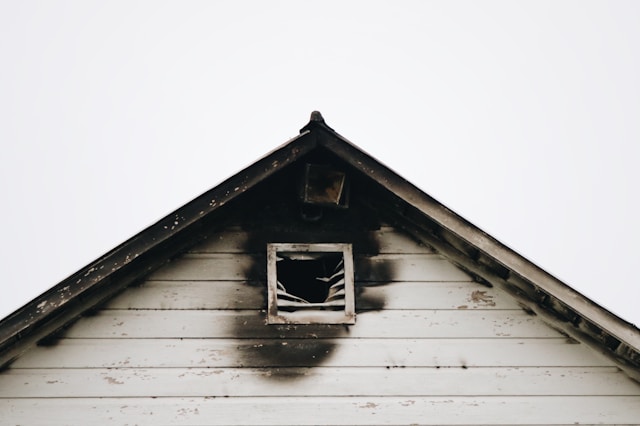
At Alladin Restoration Services, we’ve spent years helping property owners in Lapeer, MI, and across the country recover from devastating fires. Beyond the flames, smoke damage restoration is one of the most critical and misunderstood steps in the restoration process.
This guide explains why smoke damage is more dangerous than most people realize, how it affects your property and health, and why expert restoration is the only way to ensure a safe recovery.
Understanding Smoke Damage: More Than Meets the Eye
After a fire, the smoke that spreads throughout your property contains a complex mix of gases, chemicals, and fine particles. Depending on what materials were burned — wood, plastic, metal, or fabrics — smoke can contain hundreds of different compounds. These include:
- Carbon monoxide and carbon dioxide
- Formaldehyde
- Sulfur dioxide
- Hydrochloric acid
- Heavy metals and volatile organic compounds (VOCs)
These toxic residues don’t simply dissipate with time. Instead, they settle into every surface — from walls and ceilings to fabrics, carpets, and even inside ventilation systems. Without professional intervention, these residues can continue to release harmful gases and unpleasant odors for months.
The Invisible Threat: How Smoke Travels Through Your Property
When a fire occurs, the heat pushes smoke through every tiny opening in your home. It moves through electrical outlets, air vents, wall cavities, and plumbing chases. Because smoke particles are so small — often less than a micron in size — they can easily penetrate materials like drywall, insulation, and wood.
Even after visible soot is wiped away, microscopic contamination remains. Over time, these particles can cause permanent discoloration, corrosion, and persistent odors that are almost impossible to remove without specialized cleaning methods.
For example, smoke from burning plastic or synthetic materials tends to be oily and sticky. It clings to surfaces and can react chemically with paint, wallpaper, or fabrics. This means that ordinary cleaning methods — like using household cleaners or air fresheners — can actually seal in the contamination, making it harder to remove later.
Types of Smoke Damage
Not all smoke is the same. The type of material burned determines the kind of residue left behind, which directly affects how restoration should be handled. The table below outlines the main types of smoke damage:
| Type of Smoke | Source | Characteristics | Restoration Challenges |
|---|---|---|---|
| Dry Smoke | Fast-burning fires fueled by paper or wood | Powdery, dry residue | Easy to clean on hard surfaces but spreads easily through air ducts |
| Wet Smoke | Slow-burning fires from rubber or plastics | Sticky, smeary residue with strong odor | Requires specialized solvents and professional deodorization |
| Protein Smoke | From cooking fires and burning food | Virtually invisible but leaves yellowish film and strong smell | Penetrates paint and wood; needs deep cleaning and sealing |
| Fuel/Oil Smoke | From furnace puff backs or vehicle fires | Greasy residue and black soot | Very difficult to remove; stains surfaces quickly |
| Chemical Smoke | From burning synthetic materials | Corrosive and toxic particles | Demands specialized safety gear and neutralizing agents |
Each type of smoke damage requires a unique cleaning and restoration process, which is why hiring certified professionals is crucial.
Health Hazards of Smoke Damage
Perhaps the most overlooked aspect of smoke damage is its impact on human health. Prolonged exposure to soot and chemical residues can cause respiratory irritation, allergic reactions, and even long-term complications.
1. Respiratory Problems
Fine smoke particles can irritate the respiratory system, leading to coughing, wheezing, or difficulty breathing. Individuals with asthma or allergies are especially at risk. In some cases, exposure to soot has been linked to chronic bronchitis and reduced lung function.
2. Skin and Eye Irritation
Soot and chemical residue can cause skin rashes, redness, or eye irritation. Touching contaminated surfaces and then rubbing your eyes can worsen the irritation.
3. Long-Term Toxicity
Some smoke residues, particularly those from burning plastics and synthetic materials, contain carcinogenic compounds. Continuous exposure — even to small amounts trapped in fabrics or dust — can be hazardous over time.
4. Mental and Emotional Stress
Aside from the physical effects, living in a smoke-damaged home takes a mental toll. The lingering odor of smoke is a constant reminder of the fire, often leading to stress, anxiety, and sleep disturbances. A thorough professional cleanup helps homeowners move forward psychologically as well as physically.
The Structural Effects of Smoke Damage
Beyond health concerns, smoke can silently deteriorate your property’s structure. The longer it remains, the deeper it seeps into walls, floors, and ceilings. Over time, this can cause:
- Corrosion of metal fixtures such as pipes, doorknobs, and appliances
- Permanent discoloration on walls, ceilings, and countertops
- Warping of wood materials due to trapped moisture and acidic residue
- Breakdown of insulation and wiring, which can create new fire hazards
Even HVAC systems are not immune. Smoke particles trapped in ducts and filters can recontaminate cleaned areas every time the heating or cooling system is turned on.
Why DIY Smoke Cleaning Doesn’t Work
After a fire, it’s natural to want to clean up as quickly as possible. However, attempting to remove smoke damage on your own can often make things worse. Most household cleaning products are not designed to neutralize acidic residues or deep-seated smoke particles.
Here’s why DIY methods usually fail:
- Household cleaners are too weak. They can’t break down the chemical bonds in soot.
- Wiping surfaces spreads residue. Instead of removing contaminants, wiping redistributes them.
- Improper ventilation spreads odor. Opening windows or using fans can push soot deeper into fabrics and HVAC systems.
- Porous materials trap contamination. Carpets, upholstery, and drywall require specialized extraction and deodorization techniques.
To truly restore your property, you need industrial-grade equipment and trained technicians — the kind Alladin Restoration Services provides.
The Professional Smoke Damage Restoration Process
Professional restoration goes far beyond basic cleaning. At Alladin Restoration Services, our certified restoration specialists follow a proven, step-by-step process to ensure complete decontamination and restoration of your property.
1. Emergency Response and Assessment
After you call our emergency hotline, our technicians arrive promptly to assess the extent of the damage. We inspect all affected areas — visible and hidden — to develop a customized restoration plan. Immediate response is key to preventing secondary damage.
2. Secure and Protect the Property
If structural damage has occurred, we secure the property by boarding up windows, tarping roofs, and stabilizing weakened structures. This prevents further damage from weather, theft, or vandalism.
3. Smoke and Soot Removal
Using HEPA-filtered vacuums, air scrubbers, and specialized chemical sponges, we remove soot from all surfaces. We pay special attention to hidden areas like vents, ducts, and behind walls, where smoke particles often accumulate.
4. Odor Neutralization
We use ozone generators, hydroxyl machines, and thermal foggers to eliminate odors at the molecular level. These methods don’t just mask odors — they chemically neutralize them.
5. Deep Cleaning and Sanitization
All affected surfaces, furnishings, and personal belongings are professionally cleaned and sanitized using non-toxic agents. This step ensures a healthy indoor environment free of chemical residues and bacteria.
6. Content Restoration and Storage
Alladin Restoration Services also offers contents restoration — cleaning, deodorizing, and restoring furniture, electronics, and personal belongings. Items that require special handling are safely stored in our secure facility until your property is ready.
7. Structural Repairs and Reconstruction
Finally, our team repairs or replaces damaged materials like drywall, flooring, and insulation. The goal is to restore your property to its pre-fire condition — or better.
The Cost of Ignoring Smoke Damage
Many property owners assume that if a fire was small or quickly extinguished, smoke damage is minimal. Unfortunately, even a minor kitchen fire can lead to long-term problems if left untreated.
Financial Impact
Unaddressed smoke damage can reduce property value, trigger corrosion that leads to expensive repairs, and make your home difficult to insure or sell.
Health Costs
Persistent exposure to smoke residue can lead to medical issues, particularly respiratory illnesses, that result in ongoing healthcare expenses.
Structural Deterioration
Over time, acidic soot eats away at building materials, causing irreversible damage to paint, metals, and wiring — all of which can become fire hazards themselves.
The longer smoke damage remains untreated, the higher the cost of restoration. Acting quickly not only protects your health and property but also saves money in the long run.
Why Choose Alladin Restoration Services
At Alladin Restoration Services, we combine advanced technology, industry expertise, and compassionate customer service to help families and businesses rebuild after a fire.
Experience and Expertise
With years of experience handling water, fire, smoke, and sewage damage, our certified technicians are trained to manage complex restoration challenges.
Fast Emergency Response
We provide 24/7 emergency response because we understand that every minute counts after a fire. Quick action helps minimize further damage and speeds up recovery.
Advanced Equipment
Our state-of-the-art cleaning tools and air purification systems remove contaminants that standard cleaning methods cannot reach.
Safe Content Storage
We offer secure off-site storage for your valuables during the restoration process, ensuring they’re protected and restored with care.
Full-Service Solutions
From soot removal and odor neutralization to structural reconstruction, we handle every aspect of fire and smoke damage recovery — so you can focus on moving forward.
How to Respond After a Fire
If your home or business has recently experienced a fire, here’s what you should do immediately to minimize damage and protect your health:
- Do not enter the property until fire officials declare it safe.
- Contact Alladin Restoration Services as soon as possible to begin professional cleanup.
- Avoid touching surfaces — soot and ash can stain fabrics and skin.
- Do not turn on electrical appliances until they’ve been inspected.
- Ventilate cautiously — only if advised by professionals to avoid spreading contaminants.
- Document the damage for insurance purposes with photos and videos.
Bringing Your Home Back to Life
Fire damage is devastating, but it doesn’t have to be permanent. With professional help, even the most smoke-damaged property can be restored to safety and beauty. At Alladin Restoration Services, we don’t just clean — we renew, restore, and rebuild.
Whether it’s a small kitchen fire or a large structural blaze, our team stands ready to bring your home or business back to life. We understand the emotional and physical toll fire damage takes, and our goal is to make the restoration process as smooth, safe, and stress-free as possible.
If you’ve recently experienced smoke damage, don’t wait. Take the first step toward recovery with professional restoration that protects your property — and your health.