
Contents Restoration vs Replacement: Cost-Effective Recovery Solutions by Alladin Restoration Services
Experiencing property damage after a fire, flood, storm, or other disaster can be overwhelming. While homeowners often focus on repairing the building itself, personal belongings inside the property may also suffer significant damage. Furniture, electronics, clothing, photographs, documents, artwork, and family heirlooms often carry both financial and sentimental value. Fortunately, not every damaged item needs to be discarded. In many situations, professional contents restoration can recover belongings that initially appear beyond repair, helping property owners reduce replacement costs while preserving valuable possessions.
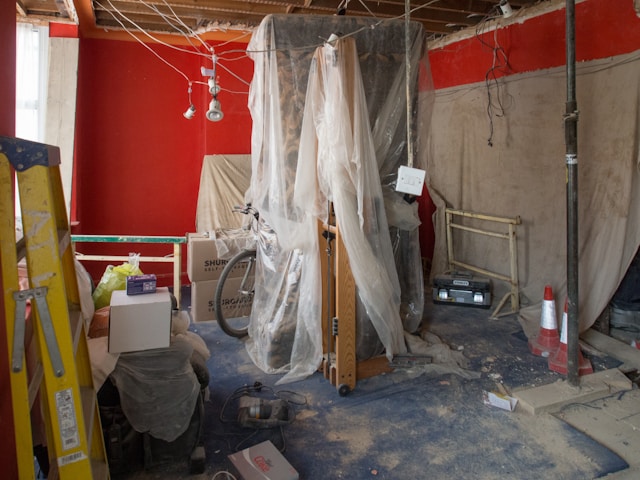
Contents Restoration vs Replacement: Cost-Effective Recovery Solutions by Alladin Restoration Services explores how professional contents restoration helps homeowners and businesses recover personal property after water, fire, smoke, and other damaging events. Alladin Restoration Services provides specialized cleaning and restoration techniques designed to evaluate, clean, deodorize, and restore salvageable contents whenever practical. By carefully assessing each item and following recognized restoration practices, professional restoration teams help clients make informed decisions about restoration versus replacement.
This article explains the contents restoration process, discusses which belongings can often be recovered, and highlights why professional restoration frequently offers a cost-effective solution following property damage.
Understanding Contents Restoration
Contents restoration refers to the professional cleaning, repair, deodorization, and recovery of personal belongings affected by disasters.
Rather than immediately replacing damaged items, restoration professionals evaluate whether they can safely restore them to usable condition.
Contents restoration commonly applies after:
- Water damage
- Fire damage
- Smoke contamination
- Storm damage
- Mold-related incidents
- Sewage backups (when appropriate and safe)
- Other covered property losses
The goal is to preserve valuable belongings whenever restoration is practical, safe, and economically reasonable.
Restoration vs. Replacement
One of the first decisions after property damage involves determining whether items should be restored or replaced.
Each situation depends on several factors, including:
- Type of damage
- Extent of contamination
- Material composition
- Safety considerations
- Restoration feasibility
- Relative cost
Professional restoration companies carefully evaluate every item before recommending the most appropriate course of action.
In many cases, restoration provides substantial savings while preserving items that cannot easily be replaced.
Why Restoration Is Often More Cost-Effective
Replacing every damaged possession can become extremely expensive.
Professional restoration often reduces overall recovery costs by saving items that remain structurally sound despite cosmetic damage.
Potential advantages include:
- Lower replacement expenses
- Preservation of valuable possessions
- Reduced waste
- Faster recovery for certain items
- Protection of sentimental belongings
Insurance providers also frequently consider restoration when it offers a practical alternative to replacement.
The Contents Assessment Process
Every successful contents restoration project begins with a detailed inventory and evaluation.
Restoration professionals inspect belongings to determine:
- Type of damage
- Severity of contamination
- Material condition
- Restoration potential
- Safety concerns
Each item is documented before cleaning begins.
This organized approach supports both restoration planning and insurance documentation while helping property owners understand available recovery options.
Items That Can Often Be Restored
Many types of personal property may be suitable for restoration depending on the extent of damage.
Examples include:
- Upholstered furniture
- Wood furniture
- Clothing
- Curtains
- Area rugs
- Books
- Photographs
- Artwork
- Decorative items
- Kitchenware
- Office equipment
Each item requires individual evaluation because restoration success varies according to the materials involved and the type of damage sustained.
When Replacement May Be Necessary
Although restoration can save many belongings, some items may not be suitable candidates for recovery.
Replacement may be recommended when:
- Structural integrity has been compromised.
- Materials cannot be safely decontaminated.
- Damage is too extensive for effective restoration.
- Restoration costs exceed replacement value.
- Health or safety concerns remain after cleaning.
Professional recommendations are based on practicality, safety, and the likelihood of successful restoration rather than appearance alone.
Water-Damaged Contents Restoration
Water damage affects personal belongings differently depending on the source of the water, the length of exposure, and the materials involved.
Professional restoration may include:
- Water extraction
- Controlled drying
- Moisture monitoring
- Cleaning
- Deodorization
Prompt response is critical because prolonged moisture exposure increases the risk of permanent damage and mold growth.
Many belongings can be successfully restored when drying begins quickly.
Fire and Smoke Damage Restoration
Fire often leaves behind soot, smoke residues, and persistent odors that spread throughout a property.
Even items located far from the flames may require professional cleaning.
Restoration techniques help address:
- Smoke residue
- Soot deposits
- Surface staining
- Odor contamination
- Corrosion caused by acidic smoke particles
Professional cleaning helps preserve valuable belongings while reducing long-term damage caused by smoke residues.
Textile Restoration
Clothing, linens, curtains, and other fabrics often require specialized cleaning following property damage.
Textile restoration may involve:
- Professional laundering
- Odor removal
- Controlled drying
- Specialized cleaning agents
- Fabric-specific restoration methods
Proper treatment helps protect delicate fibers while maximizing the opportunity to restore wearable and usable condition.
Furniture Restoration
Furniture frequently represents one of the largest categories of personal property affected by disasters.
Depending on the materials and level of damage, restoration professionals may clean and restore:
- Wood furniture
- Upholstered seating
- Dining furniture
- Office furniture
- Cabinets
Different materials require different cleaning approaches, and each piece is evaluated individually before restoration begins.
Electronics Evaluation
Electronics exposed to water, smoke, or soot require careful assessment before use.
Rather than attempting immediate operation, restoration professionals may coordinate inspection and cleaning when appropriate.
Evaluation typically focuses on:
- Visible contamination
- Corrosion risk
- Moisture exposure
- Overall condition
Whether an electronic device can be restored depends on the nature and extent of the damage, and some items may require specialized testing or replacement for safety.
Document and Photograph Recovery
Important documents and family photographs often carry irreplaceable sentimental and legal value.
Specialized restoration methods may help recover:
- Family photographs
- Birth certificates
- Financial records
- Legal documents
- Books
- Historical records
Early intervention improves the chances of preserving these materials before deterioration progresses.
Odor Removal from Contents
Smoke, water damage, and other disasters frequently leave lingering odors in personal belongings.
Professional deodorization focuses on eliminating odor sources rather than masking them.
Depending on the item and type of damage, restoration may include:
- Specialized cleaning
- Air drying
- Controlled deodorization
- HEPA-filtered air circulation
- Other professional odor-removal techniques
Effective odor treatment helps restore comfort while improving the usability of recovered belongings.
Cleaning Technologies Used in Contents Restoration
Modern restoration companies use specialized equipment and techniques that extend well beyond ordinary household cleaning.
Depending on the type of item, restoration may involve:
- HEPA vacuum systems
- Ultrasonic cleaning equipment
- Specialized washing systems
- Controlled drying chambers
- Moisture measurement tools
- Professional deodorization equipment
These technologies allow technicians to clean sensitive materials while minimizing additional damage during the restoration process.
Inventory and Documentation
Detailed documentation is an essential part of contents restoration.
Restoration professionals often create inventories that include:
- Item descriptions
- Photographs
- Condition assessments
- Restoration recommendations
- Cleaning status
Accurate records help property owners understand restoration progress while supporting communication with insurance carriers.
Insurance Considerations
Many homeowners and commercial property insurance policies include coverage for personal property, subject to policy terms, conditions, deductibles, and limits.
When a covered loss occurs, restoration may benefit both property owners and insurers by reducing the overall cost of the claim.
Documentation prepared during the restoration process can assist with:
- Item inventories
- Damage assessments
- Restoration recommendations
- Claims support
Property owners should review their individual policies and work with their insurance representatives to understand available coverage and claim requirements.
Why Professional Contents Restoration Matters
Attempting to clean damaged belongings without appropriate equipment or expertise may unintentionally worsen the damage.
Professional restoration offers several advantages:
- Material-specific cleaning methods
- Controlled drying
- Specialized deodorization
- Careful handling of delicate items
- Organized inventory management
- Experienced evaluation of restoration potential
These services improve the likelihood of recovering valuable belongings while helping avoid unnecessary replacement costs.
Environmental Benefits of Restoration
Choosing restoration whenever practical also supports environmental sustainability.
Restoring belongings helps:
- Reduce landfill waste
- Conserve raw materials
- Lower manufacturing demand
- Extend the useful life of household items
Recovering usable possessions benefits both property owners and the environment by reducing unnecessary disposal.
Choosing a Qualified Contents Restoration Provider
When selecting a restoration company, property owners should consider:
- Experience with contents restoration
- Emergency response capability
- Professional cleaning equipment
- Organized inventory procedures
- Clear communication
- Comprehensive restoration services
- Commitment to recognized restoration practices
An experienced provider can guide homeowners through the evaluation process while helping determine which belongings are suitable for restoration and which require replacement.
Long-Term Value of Contents Restoration
Contents restoration is about more than financial savings.
Many possessions hold sentimental, historical, or personal significance that cannot easily be replaced.
Professional restoration helps preserve:
- Family memories
- Valuable collections
- Important records
- Meaningful heirlooms
- Everyday household belongings
Recovering these items often contributes to emotional recovery following a disaster while reducing the overall disruption caused by property damage.
Conclusion
Contents Restoration vs Replacement: Cost-Effective Recovery Solutions by Alladin Restoration Services demonstrates that property recovery extends well beyond repairing walls, floors, and structural components. Personal belongings often represent significant financial investments and cherished memories, making thoughtful evaluation an essential part of the restoration process. Through professional assessment, specialized cleaning, deodorization, moisture control, and organized documentation, many items affected by water, fire, or smoke damage can often be restored instead of replaced.
By combining specialized restoration techniques with industry-recognized practices, Alladin Restoration Services helps homeowners and businesses make informed decisions about recovering their possessions. Restoring salvageable contents can reduce overall recovery costs, support insurance claim documentation, minimize waste, and preserve items with sentimental value. When practical and safe, contents restoration offers an effective solution that helps property owners recover more than their buildings—it helps them recover the belongings that make a house or business feel complete.