
Fire and Smoke Damage Restoration: How Alladin Restores Homes After Disaster
A house fire is one of the most devastating events a property owner can experience. Beyond the immediate destruction caused by flames, fires often leave behind widespread smoke contamination, soot deposits, water damage from firefighting efforts, and lingering odors that affect nearly every part of a home. Even when the visible fire damage appears limited, smoke particles and corrosive residues can spread throughout the structure, creating hidden damage that requires professional attention. Recovering from a fire involves much more than replacing burned materials, it requires a comprehensive restoration process that prioritizes safety, structural integrity, and indoor environmental quality.
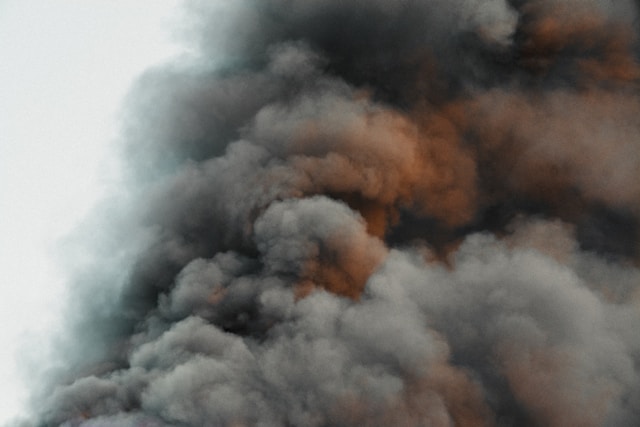
Fire and Smoke Damage Restoration: How Alladin Restores Homes After Disaster examines how professional restoration services help homeowners recover after fire-related emergencies. Alladin Restoration Services provides comprehensive fire and smoke restoration solutions, including emergency response, soot removal, smoke odor remediation, structural cleaning, and property restoration. Using specialized equipment and industry-recognized restoration methods, trained technicians work to return homes to safe, clean, and livable conditions while minimizing additional damage.
This article explains the fire restoration process, explores the differences between fire and smoke damage, and highlights why prompt professional intervention is essential after a fire.
Understanding the Full Impact of Fire Damage
Fire affects much more than the areas directly touched by flames.
Heat, smoke, soot, and water used during firefighting efforts often spread throughout the property, creating multiple layers of damage that require specialized restoration.
Common effects of a residential fire include:
- Burned structural materials
- Smoke contamination
- Soot deposits
- Water intrusion
- Damaged electrical systems
- Compromised insulation
- Lingering odors
- Reduced indoor air quality
Each of these issues requires careful evaluation before repairs begin.
Professional restoration focuses on restoring as much of the property as possible while ensuring occupant safety.
Fire Damage vs. Smoke Damage
Although often discussed together, fire damage and smoke damage are separate restoration challenges.
Understanding the distinction helps explain why specialized restoration procedures are necessary.
Fire Damage
Fire damage typically includes visible destruction caused by flames and extreme heat.
Examples include:
- Burned framing
- Damaged roofing
- Destroyed drywall
- Melted fixtures
- Compromised flooring
- Structural weakening
These materials may require repair or replacement depending on the severity of the damage.
Smoke Damage
Smoke travels far beyond the area where the fire originated.
Smoke particles can settle on:
- Walls
- Ceilings
- Furniture
- Electronics
- HVAC systems
- Clothing
- Personal belongings
Smoke residue often contains acidic compounds that continue damaging surfaces if not removed promptly.
Restoration professionals address both fire and smoke damage simultaneously to ensure complete recovery.
Why Immediate Response Is Important
Time plays a critical role following a fire.
Delaying restoration allows soot and smoke residues to continue affecting surfaces throughout the property.
Rapid response helps:
- Prevent permanent staining
- Reduce corrosion
- Improve salvage opportunities
- Minimize odor penetration
- Protect structural materials
- Begin drying if water damage is present
Professional restoration teams typically begin mitigation as soon as the property is considered safe to enter.
Early intervention often reduces both restoration costs and recovery time.
Initial Safety Assessment
Before restoration work begins, technicians conduct a comprehensive inspection of the property.
The assessment evaluates:
- Structural stability
- Fire-damaged areas
- Smoke migration
- Water damage
- Electrical hazards
- HVAC contamination
- Safety risks
This inspection helps determine the scope of restoration while identifying immediate concerns requiring attention.
Only after confirming that the structure is safe can restoration proceed.
Structural Damage Evaluation
Fire can weaken building components even when visible damage appears limited.
Technicians inspect critical structural elements including:
- Roof framing
- Floor systems
- Load-bearing walls
- Ceiling assemblies
- Support beams
- Foundation areas
Determining structural integrity is essential before reconstruction begins.
Some components may require reinforcement or replacement to restore the building safely.
Removing Damaged Materials
Following the assessment, severely damaged materials are removed.
This may include:
- Burned drywall
- Damaged insulation
- Charred flooring
- Destroyed cabinetry
- Unsalvageable structural components
Careful demolition helps eliminate contaminated materials while preparing the property for cleaning and rebuilding.
Whenever practical, restoration professionals prioritize salvaging materials rather than replacing them.
Understanding Soot Damage
Soot is one of the most difficult aspects of fire restoration.
These fine black particles settle quickly throughout the home and may contain corrosive substances capable of damaging numerous materials.
Soot commonly affects:
- Painted surfaces
- Metal fixtures
- Glass
- Appliances
- Electronics
- Fabrics
- Furniture
Without proper cleaning, soot may permanently stain surfaces or accelerate material deterioration.
Professional cleaning techniques are designed to remove soot while minimizing additional damage.
Specialized Soot Removal Techniques
Soot cannot simply be wiped away using ordinary household cleaning products.
Improper cleaning may spread residue or embed particles deeper into surfaces.
Professional restoration teams use specialized methods that may include:
- HEPA vacuuming
- Dry chemical sponges
- Specialized cleaning agents
- Controlled surface cleaning
- Material-specific restoration techniques
Different materials require different cleaning approaches to maximize restoration success.
Smoke Odors Require More Than Air Fresheners
One of the most persistent challenges after a fire is smoke odor.
Smoke particles often penetrate:
- Drywall
- Insulation
- Upholstery
- Wood
- Carpet
- Clothing
- HVAC systems
Simply masking odors does not remove the source of contamination.
Effective odor remediation focuses on eliminating odor-causing particles rather than covering them with fragrances.
Professional Odor Removal Methods
Restoration professionals use specialized equipment designed to neutralize smoke odors throughout the property.
Depending on the situation, odor removal may involve:
- Air scrubbers
- HEPA filtration
- Thermal fogging
- Hydroxyl generators
- Ozone treatment (when appropriate and performed under controlled conditions)
- HVAC cleaning
These techniques help restore indoor air quality while removing lingering smoke odors from affected spaces.
Restoring Indoor Air Quality
Smoke contamination affects more than visible surfaces.
Fine airborne particles may continue circulating through the home until properly removed.
Improving indoor air quality often includes:
- Air filtration
- Ventilation improvements
- Cleaning HVAC systems
- Removing contaminated materials
- Surface decontamination
Restoring healthy indoor environments is an important part of helping families safely return home.
Water Damage After Fire Suppression
Many fires also create significant water damage because of firefighting efforts.
Standing water and elevated moisture levels may affect:
- Flooring
- Drywall
- Insulation
- Wood framing
- Personal belongings
Fire restoration frequently includes water extraction, structural drying, and moisture monitoring to prevent secondary issues such as mold growth.
Addressing fire and water damage together creates a more complete restoration process.
Cleaning and Restoring Personal Belongings
Many personal belongings can often be restored rather than replaced.
Items commonly evaluated include:
- Furniture
- Clothing
- Documents
- Electronics
- Artwork
- Photographs
- Decorative items
Each item is individually assessed to determine whether professional cleaning and restoration are appropriate.
Specialized restoration techniques may help preserve belongings with sentimental or financial value.
Rebuilding After Fire Damage
Once cleaning and mitigation are complete, reconstruction begins.
Repairs may include:
- Drywall replacement
- Painting
- Flooring installation
- Cabinet replacement
- Roofing repairs
- Electrical restoration
- Finish carpentry
The rebuilding phase restores the property’s appearance, function, and structural integrity while preparing it for safe occupancy.
Following Industry Standards
Professional restoration companies rely on established industry standards to guide fire and smoke restoration procedures.
Organizations such as the Institute of Inspection, Cleaning and Restoration Certification (IICRC) provide best practices for:
- Smoke remediation
- Soot removal
- Odor control
- Structural cleaning
- Safety procedures
Using recognized restoration methods helps ensure consistent and effective recovery.
Why Professional Fire Restoration Matters
Attempting to clean fire damage without specialized training may unintentionally worsen the problem.
Professional restoration offers several advantages:
- Accurate damage assessment
- Specialized cleaning equipment
- Safe soot removal
- Advanced odor elimination
- Structural evaluation
- Comprehensive restoration planning
Experienced restoration teams understand how different materials respond to fire, smoke, and cleaning methods, allowing them to make informed restoration decisions.
Supporting Homeowners During Recovery
Recovering after a fire is both physically and emotionally challenging.
Professional restoration companies help simplify the recovery process by coordinating multiple stages of restoration, including:
- Emergency response
- Damage assessment
- Cleaning
- Structural drying
- Odor remediation
- Reconstruction planning
Having experienced professionals manage these tasks allows homeowners to focus on their families while restoration progresses.
Preventing Long-Term Damage
Fire damage does not stop once the flames are extinguished.
Without prompt restoration, lingering soot, smoke residues, and moisture may continue affecting the property for weeks or months.
Timely restoration helps reduce the risk of:
- Permanent staining
- Material corrosion
- Mold growth
- Indoor air quality problems
- Additional structural deterioration
Addressing these issues early supports more successful long-term recovery.
Choosing a Qualified Fire Restoration Company
When selecting a restoration provider, homeowners should consider:
- Emergency availability
- Fire and smoke restoration experience
- Comprehensive restoration capabilities
- Specialized equipment
- Trained technicians
- Clear communication
- Commitment to recognized restoration standards
A qualified restoration company provides guidance throughout every stage of recovery while working to restore the property safely and efficiently.
Conclusion
Fire and Smoke Damage Restoration: How Alladin Restores Homes After Disaster demonstrates that recovering from a fire involves far more than repairing visible structural damage. Smoke contamination, soot deposits, persistent odors, water intrusion, and compromised indoor air quality all require specialized restoration techniques to ensure a safe and successful recovery.
By combining rapid emergency response, detailed damage assessment, professional soot removal, advanced odor remediation, structural cleaning, and comprehensive rebuilding services, Alladin Restoration Services helps homeowners restore their properties after fire-related disasters. Following recognized restoration practices and using specialized equipment, the company works to minimize long-term damage, improve indoor environmental quality, and return homes to safe, comfortable living conditions.