
Emergency Water Damage Restoration in San Antonio: What to Do in the First 24 Hours
Water damage can escalate from a minor inconvenience to a major structural problem in a matter of hours. In a city like San Antonio where heavy rains, flash flooding, and aging plumbing systems are common, the risk is always present. Whether it’s a burst pipe, roof leak, or storm-related flooding, the first 24 hours are critical in determining how severe the damage becomes and how costly the recovery will be.
Understanding what to do immediately after water damage occurs can help protect your property, belongings, and even your health.
Why the First 24 Hours Matter
Water begins affecting materials almost instantly. Within minutes, it can seep into flooring, drywall, and furniture. Within hours, swelling, warping, and staining begin. After 24 hours, the risk of microbial growth—especially mold—increases significantly.
This narrow window is why rapid response is emphasized by restoration professionals, including teams like Alladin Restoration Services, Inc., who are trained to minimize long-term damage through immediate action.
Common Causes of Water Damage in San Antonio
Water damage incidents in San Antonio often stem from a mix of environmental and structural factors. Sudden thunderstorms and flash floods can overwhelm drainage systems, while older homes may experience plumbing failures or roof leaks.
Air conditioning systems—used heavily in Texas heat—can also contribute, especially when drainage lines clog or units malfunction. Regardless of the source, the response process in the first 24 hours remains largely the same.
Immediate Safety Steps (0–2 Hours)
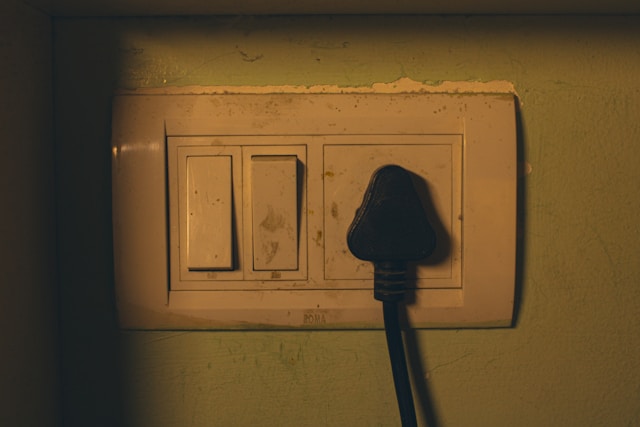
Before addressing the damage itself, safety should come first. Water and electricity are a dangerous combination, so shutting off power to affected areas is a priority if it can be done safely. If the water level is high or contamination is suspected, avoiding contact altogether is the safest choice.
Next, identify and stop the source of the water if possible. This might involve turning off the main water supply or placing temporary barriers to prevent further intrusion. These early actions can significantly reduce the overall impact.
Damage Control Actions (2–12 Hours)
Once the situation is stable, the focus shifts to limiting damage. Removing standing water is the most urgent task. This can be done with basic tools like mops and buckets for small incidents, but larger volumes typically require specialized equipment.
After water removal, drying becomes critical. Opening windows, using fans, and dehumidifiers can help, but effectiveness depends on the scale of the damage. Porous materials such as carpets, upholstery, and drywall begin to absorb moisture quickly, so separating salvageable items from unsalvageable ones is an important step.
Furniture should be moved away from wet areas, and valuables should be relocated to a dry environment as soon as possible.
Documentation and Insurance Considerations
During the cleanup process, documenting the damage is essential. Taking clear photos and videos of affected areas, damaged items, and the source of the problem can support insurance claims later.
Keeping records of actions taken—such as water removal efforts or temporary repairs—also helps establish a timeline. Many insurance providers require prompt reporting, so contacting them early in the process is advisable.
When and Why to Call Professionals
While some minor water issues can be handled independently, most situations benefit from professional intervention. Water can travel behind walls, under flooring, and into structural components where it’s not immediately visible.
Companies like Alladin Restoration Services, Inc. use specialized equipment such as industrial-grade extractors, air movers, and moisture detection tools to ensure thorough drying. More importantly, they understand how to prevent secondary damage, which is often more costly than the initial incident.
Calling professionals within the first 24 hours can significantly reduce repair costs and restoration time.
What Happens During Professional Restoration
Once a restoration team arrives, they typically begin with an assessment to determine the extent of the damage. This includes identifying moisture levels, affected materials, and potential hazards.
The process usually involves:
- Water extraction
- Structural drying
- Cleaning and sanitizing
- Restoration or replacement of damaged materials
In many cases, contents such as furniture and personal belongings can be restored rather than replaced, depending on the severity of exposure.
Preventing Secondary Damage
One of the biggest risks after water damage is mold growth. Mold can begin developing within 24 to 48 hours in damp environments. Proper drying and ventilation are essential to prevent this.
Structural issues are another concern. Prolonged exposure to moisture can weaken wood, corrode metal, and compromise the integrity of walls and foundations. Acting quickly reduces these risks significantly.
Conclusion: Acting Fast Makes the Difference
Water damage is unpredictable, but the response doesn’t have to be. The first 24 hours set the tone for the entire recovery process. Taking immediate safety measures, controlling the spread of water, documenting the damage, and involving professionals when needed can make a substantial difference.
In a place like San Antonio, where weather and infrastructure can both contribute to water-related incidents, preparedness and quick action are essential. Whether handling minor damage or a major emergency, a timely and informed response is the key to restoring both property and peace of mind.