
Fire and Smoke Damage Cleanup in Sun Valley: Restoring Your Property the Right Way
A fire can be one of the most devastating events a property owner will ever face. In just minutes, flames can destroy structural components, personal belongings, and years of memories. But even after the fire is extinguished, the damage continues. Smoke, soot, and corrosive residues spread throughout the property, causing hidden destruction long after the flames are gone.
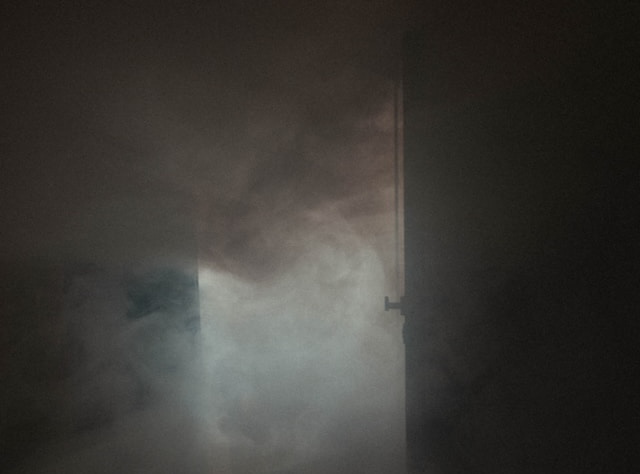
For homeowners and business owners in Sun Valley and throughout Los Angeles County, professional fire and smoke damage cleanup is essential to restoring a property safely and effectively. Proper restoration requires immediate response, specialized equipment, technical expertise, and a detailed understanding of how fire behaves inside structures.
This guide explains what happens after a fire, why smoke damage can be more severe than expected, and how the right restoration process brings your property back to pre-loss condition.
Understanding Fire Damage Beyond the Flames
When people think about fire damage, they often picture charred walls and burned debris. However, fire damage is far more complex. A typical fire causes three types of damage simultaneously:
- Thermal Damage – Direct damage from heat and flames
- Smoke and Soot Damage – Airborne particles that spread throughout the structure
- Water Damage – Resulting from firefighting efforts
Each of these elements requires a specific restoration approach.
Even in areas untouched by flames, smoke and soot can penetrate walls, HVAC systems, insulation, and furniture. Without proper cleanup, lingering contamination can lead to corrosion, odors, and health concerns.
The Hidden Impact of Smoke Damage
Smoke is highly invasive. It travels through vents, cracks, electrical outlets, and structural cavities. Within hours, soot begins to stain surfaces and cause permanent discoloration.
Types of Smoke Residue
Different fires produce different types of smoke residue:
- Wet Smoke – Sticky, smeary residue from low-heat, smoldering fires
- Dry Smoke – Powdery residue from fast-burning, high-temperature fires
- Protein Residue – Nearly invisible residue from kitchen fires, often with strong odors
- Fuel Oil Residue – Sticky soot from furnace malfunctions
Each type requires specialized cleaning methods. Using the wrong technique can spread contamination or permanently damage surfaces.
Why Immediate Response Is Critical
Time is the most important factor after a fire. Within minutes to hours:
- Soot begins staining walls and ceilings
- Metal surfaces start to corrode
- Plastics discolor
- Odors become embedded
- Electronics may suffer permanent damage
In Southern California’s dry climate, soot can become airborne again if disturbed, spreading contamination further.
A rapid response limits long-term damage and significantly reduces restoration costs.
The Professional Fire Damage Restoration Process
Restoring a property after fire and smoke damage requires a structured and methodical approach. Below is an overview of the typical restoration process.
1. Emergency Assessment and Inspection
The first step involves:
- Evaluating structural safety
- Identifying affected areas
- Determining the type of smoke residue
- Creating a detailed restoration plan
Safety is always the priority. Damaged ceilings, weakened beams, and compromised electrical systems must be addressed before cleanup begins.
2. Property Securing and Board-Up Services
If windows, doors, or roofing were damaged, the property must be secured to prevent:
- Weather exposure
- Theft or vandalism
- Additional contamination
Temporary board-up and tarping protect the structure during the restoration process.
3. Water Removal and Drying
Because firefighting efforts involve large volumes of water, secondary water damage is common.
This phase includes:
- Water extraction
- Industrial-grade dehumidification
- Structural drying
- Moisture monitoring
Removing moisture quickly prevents mold growth and further structural damage.
4. Smoke and Soot Removal
This is one of the most technical stages of restoration. Professionals use:
- HEPA-filter vacuums
- Specialized dry cleaning sponges
- Chemical soot removers
- Controlled cleaning techniques tailored to residue type
Every surface must be evaluated, including:
- Walls and ceilings
- Flooring
- Cabinets
- HVAC systems
- Light fixtures
- Electronics
Improper cleaning can smear soot and make staining permanent.
5. Odor Elimination
Smoke odors can linger long after visible damage is removed. Professional odor removal may involve:
- Thermal fogging
- Ozone treatments
- Hydroxyl generators
- Air scrubbing systems
These advanced techniques neutralize odor molecules rather than simply masking them.
6. Contents Cleaning and Restoration
Many belongings can be restored instead of replaced. Professional contents restoration may include:
- Furniture cleaning
- Textile restoration
- Document drying
- Electronics cleaning
- Artwork restoration
Restoring contents is often significantly more cost-effective than replacing them, especially for high-value or sentimental items.
7. Structural Repairs and Reconstruction
Once cleaning is complete, reconstruction may involve:
- Drywall replacement
- Flooring installation
- Cabinet replacement
- Painting and refinishing
- Roofing repairs
The goal is to return the property to its pre-loss condition—or better.
Fire and Smoke Damage Cleanup Timeline
The timeline for restoration depends on the severity of the fire. Below is a general overview:
| Restoration Phase | Typical Time Frame | Primary Objective |
|---|---|---|
| Emergency Response & Inspection | 24–48 hours | Secure property and assess damage |
| Water Extraction & Drying | 3–7 days | Prevent mold and structural weakening |
| Smoke & Soot Removal | 3–10 days | Remove contamination and residues |
| Odor Elimination | 1–5 days | Neutralize smoke odors |
| Contents Restoration | 1–3 weeks | Clean and restore salvageable belongings |
| Reconstruction | Varies (weeks to months) | Rebuild and restore structure |
Each project is unique, and severe structural fires may require longer restoration periods.
Health Risks Associated with Smoke Damage
Fire residue contains microscopic particles that can pose health risks, especially for:
- Children
- Elderly individuals
- People with respiratory conditions
- Individuals with compromised immune systems
Exposure to soot and smoke residue can cause:
- Respiratory irritation
- Eye irritation
- Skin sensitivity
- Headaches
- Aggravated asthma symptoms
Professional cleanup ensures contaminants are safely removed and indoor air quality is restored.
Fire Damage in Sun Valley and Los Angeles County
Southern California presents unique fire risks due to:
- Dry conditions
- High temperatures
- Electrical system strain
- Kitchen-related incidents
- Aging residential infrastructure
Additionally, wildfire smoke can infiltrate homes even if flames never directly impact the property. Smoke from nearby wildfires may require professional odor removal and air purification services.
Local experience matters. Restoration professionals familiar with California’s fire patterns understand how to address both structural fires and wildfire smoke contamination effectively.
Insurance and Documentation
After a fire, proper documentation is essential for insurance claims. A professional restoration team can assist with:
- Detailed damage reports
- Photo documentation
- Itemized inventories
- Communication with adjusters
- Estimating restoration costs
Clear documentation helps streamline the claims process and ensures appropriate coverage for repairs and contents restoration.
Why DIY Cleanup Is Not Recommended
While minor smoke exposure may seem manageable, fire damage cleanup is rarely a DIY project.
Risks of attempting cleanup without professional equipment include:
- Spreading soot into porous materials
- Permanent staining
- Incomplete odor removal
- Exposure to harmful contaminants
- Electrical hazards
Professional-grade equipment and training are necessary to restore a property safely and thoroughly.
The Importance of Experience and Modern Techniques
Modern fire restoration uses advanced technology to improve outcomes, including:
- Thermal imaging cameras
- Moisture mapping tools
- Industrial air scrubbers
- HEPA filtration systems
- Specialized cleaning agents
Experienced restoration teams understand how to combine these tools with proven techniques to achieve optimal results.
Proper sequencing of cleanup steps is also critical. Cleaning in the wrong order can undo previous work or cause secondary damage.
Minimizing Long-Term Structural Damage
Fire and smoke residues are corrosive. If left untreated, they can:
- Deteriorate metal fixtures
- Stain stone and tile
- Weaken drywall
- Damage wood finishes
- Compromise electrical systems
Prompt and thorough restoration prevents progressive deterioration that could otherwise lead to extensive reconstruction costs.
Restoring Peace of Mind
Beyond structural repairs, fire restoration is about helping families and businesses recover emotionally and financially. Seeing a property return to pre-loss condition provides reassurance after a traumatic event.
A comprehensive approach ensures:
- Safety
- Clean air quality
- Structural stability
- Preservation of valuable belongings
- Compliance with local codes and standards
Restoration done correctly not only repairs visible damage but also addresses hidden risks that could impact the property long-term.
Final Thoughts
Fire and smoke damage cleanup requires far more than surface cleaning. From immediate emergency response and water removal to soot remediation, odor neutralization, and structural reconstruction, every step must be handled with precision and expertise.
In Sun Valley and throughout Los Angeles County, quick action and professional restoration make the difference between salvageable property and escalating damage. Smoke spreads rapidly, soot corrodes surfaces, and water from firefighting efforts introduces additional risks.
With the right restoration process, advanced equipment, and experienced professionals, it is possible to return your home or business to its pre-fire condition—or even improve it.